The world of wiring is undergoing a transformation. What was once a passive network of copper conductors carrying only electricity and signals has now become an active, data-driven infrastructure. These modern systems can sense their own status, share information, and respond dynamically. The rise of intelligent harnesses and Internet of Things connectivity has redefined how engineers design and maintain electrical networks.
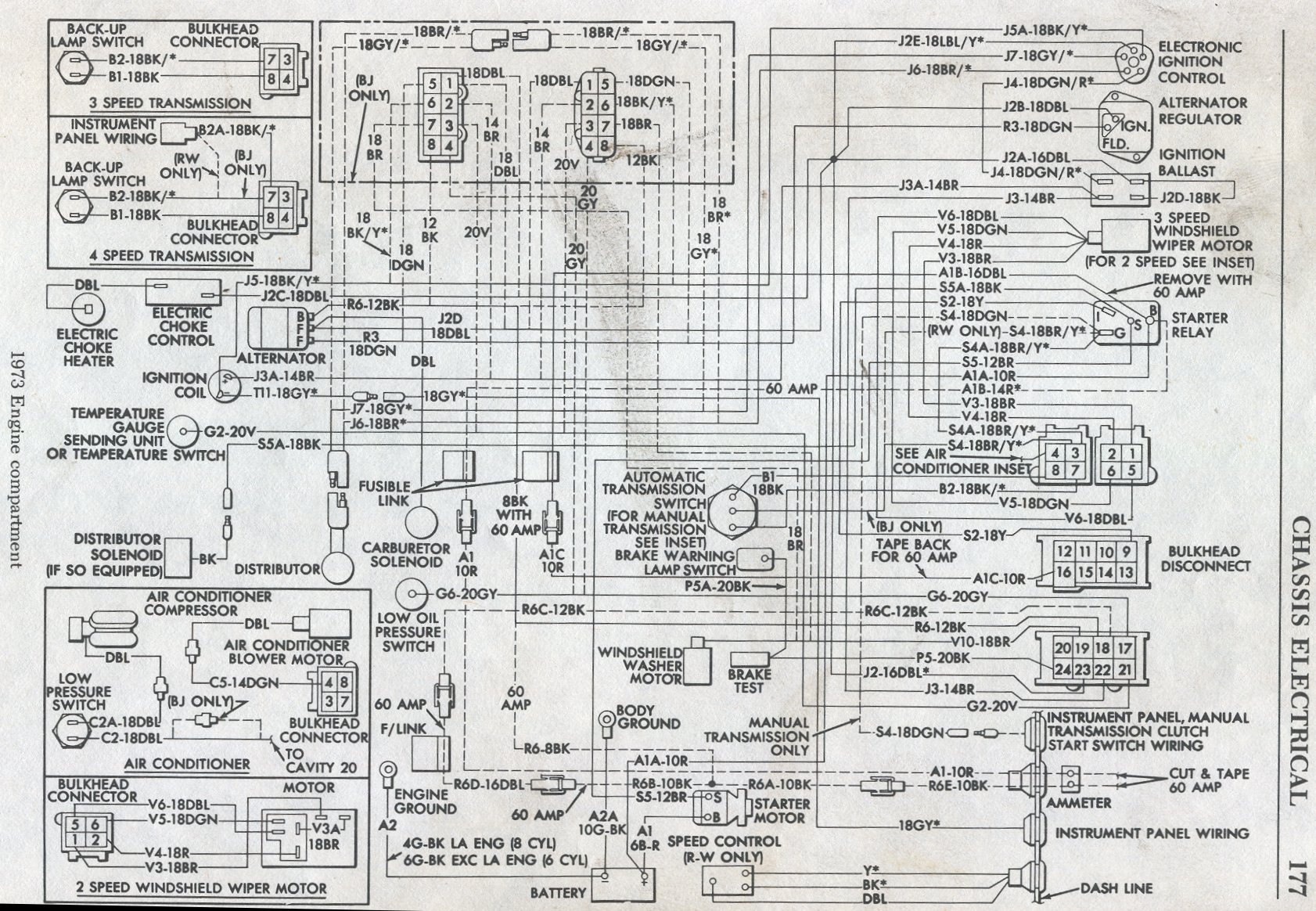
At the core of this evolution lies the principle of connectivity. Old wiring could not report its health or performance, built only to carry current without awareness. Smart systems, however, embed sensors, microcontrollers, and analytics directly within cables and connectors. These devices measure voltage, current, temperature, and vibration and send the data to cloud dashboards or control units. The result is a self-diagnostic network that not only delivers energy but also reports its health, efficiency, and performance.
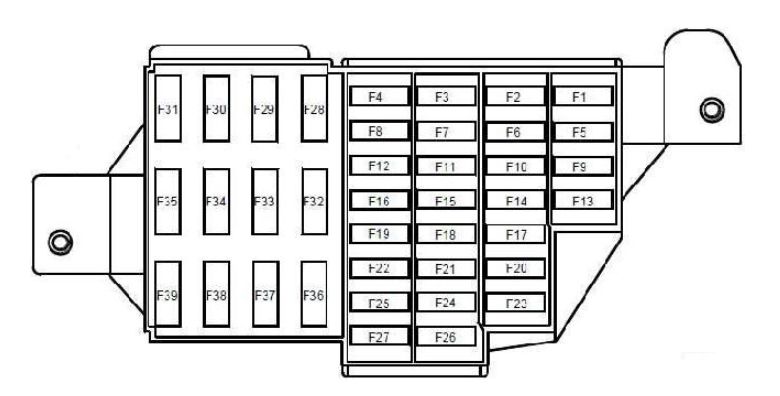
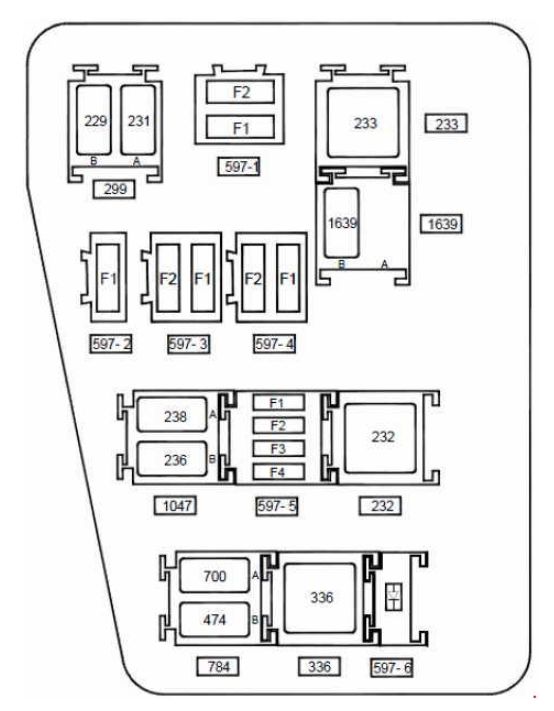
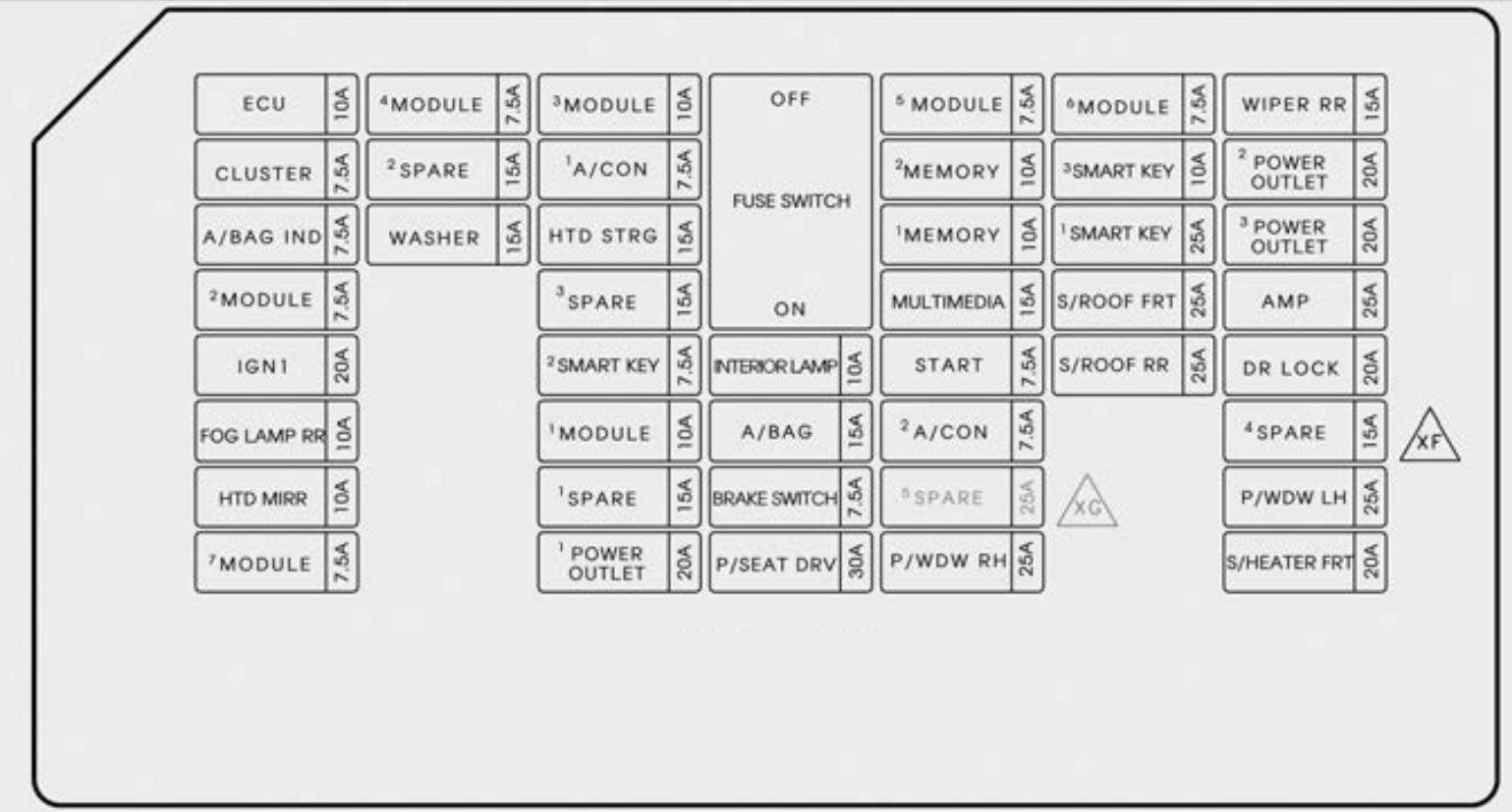
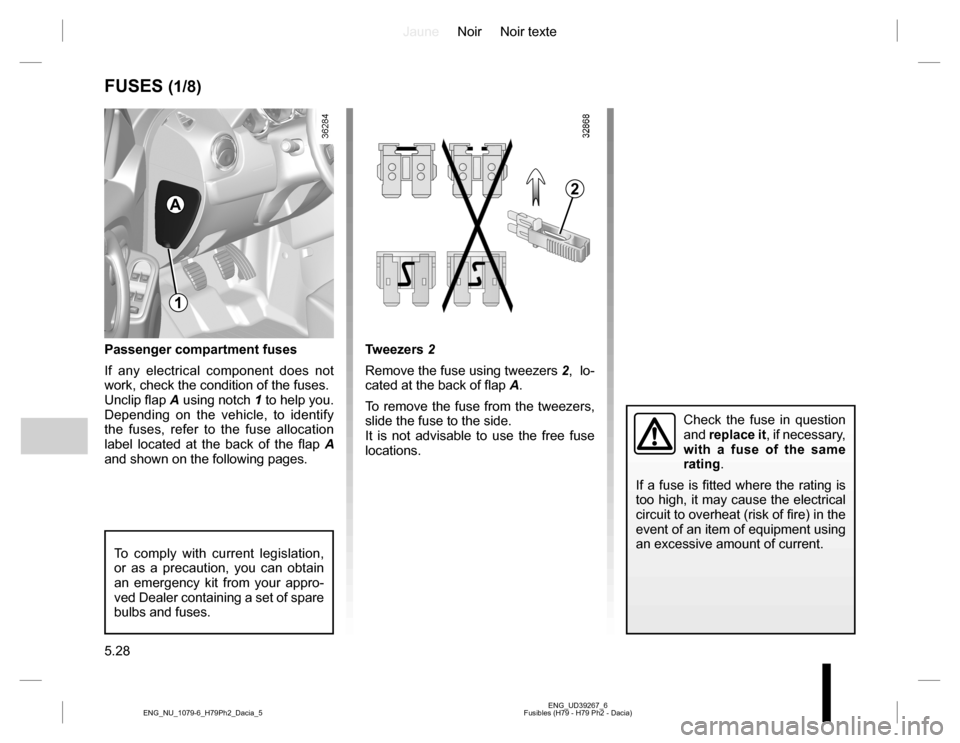
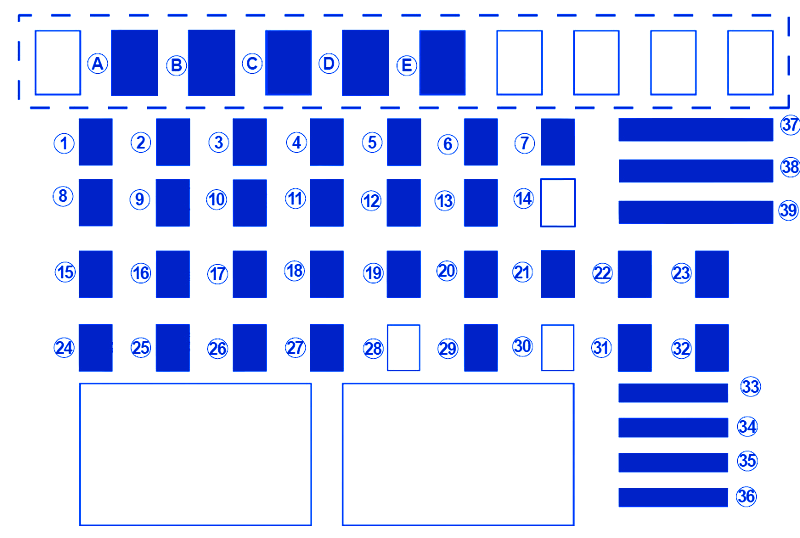
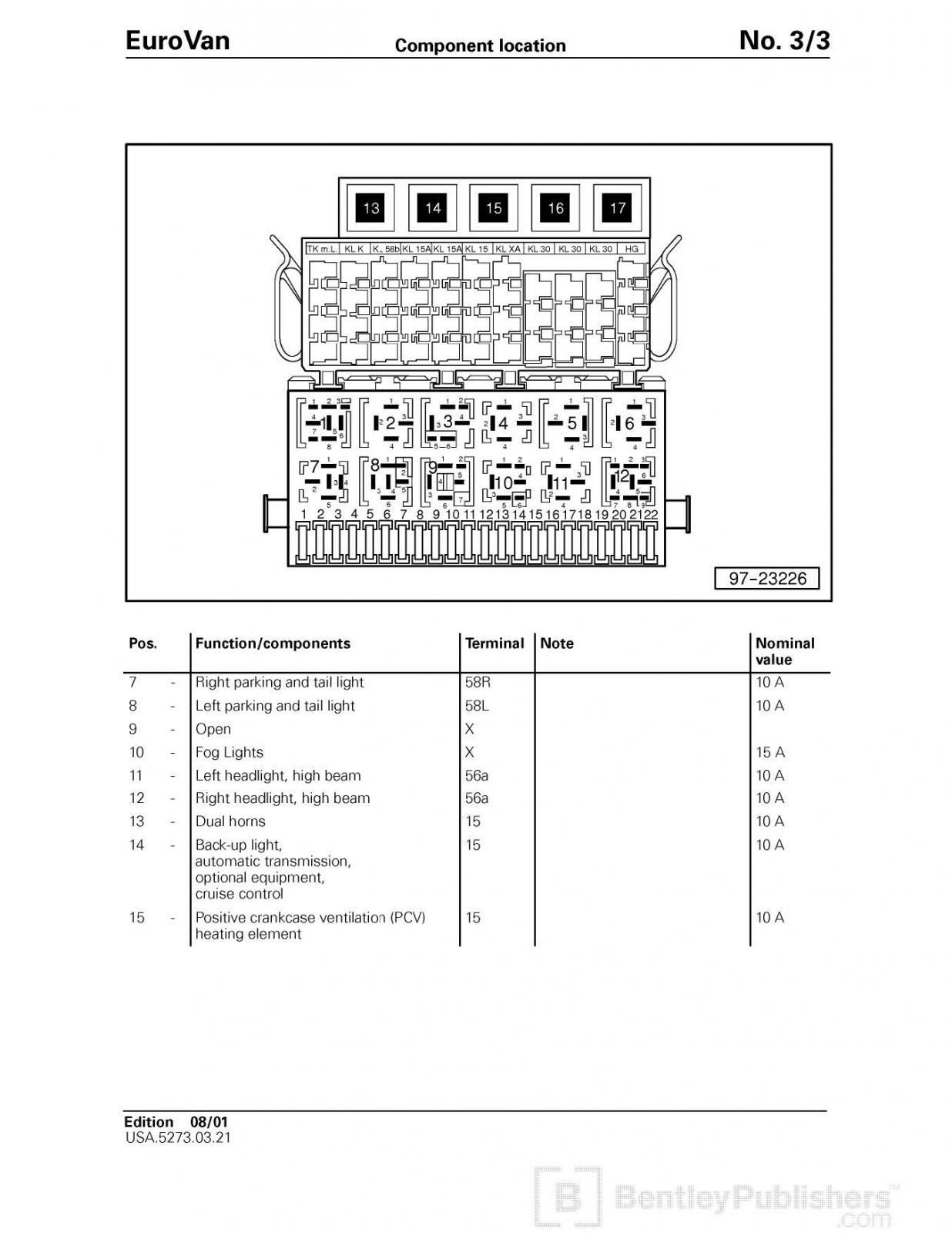
This capability is especially critical in high-reliability or mission-critical infrastructure. In manufacturing environments, smart harnesses can detect early warning signs such as abnormal current draw or heat buildup. In next-generation automotive systems, IoT-enabled intelligent fuse boxes communicate with onboard diagnostics, isolating issues before they escalate. The fusion of electrical, digital, and data layers is what truly makes wiring smart.
### **Key Components of Smart Wiring**
- **Embedded Sensors:** Miniature sensors continuously measure electrical and mechanical conditions. They alert engineers before damage occurs by observing temperature, humidity, or vibration changes.
- **Microcontrollers and Edge Processors:** Smart chips interpret readings without cloud delay. This allows real-time fault reaction.
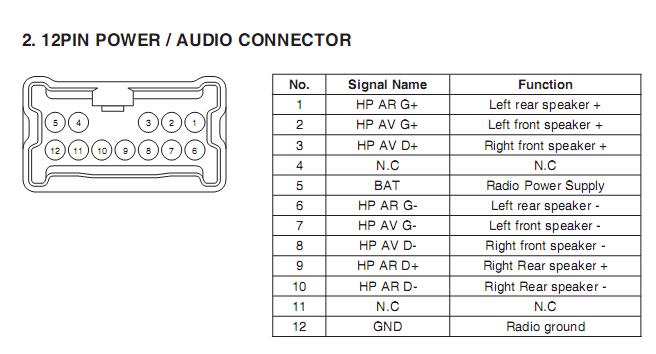
- **Communication Interfaces:** CAN, Ethernet, Modbus, or MQTT link smart modules and controllers for seamless data exchange.
- **Power Electronics Integration:** Solid-state relays, digital fuses, and electronic switches dynamically regulate current flow, replacing mechanical breakers.
Together, these components create a living network of intelligenceone where every wire can sense, think, and communicate.
### **IoT Connectivity and Cloud Integration**
The IoT ecosystem extends wiring intelligence far outside the control cabinet. Through cellular, Wi-Fi, or LAN connections, wiring data flows into cloud platforms. Predictive algorithms then detect patterns and predict failure. Technicians or maintenance teams receive alerts through dashboards or mobile apps, enabling proactive maintenance before faults propagate.
In intelligent infrastructure, IoT-integrated wiring connects lighting, HVAC, and energy systems under central control. Sensors automatically adjust energy usage. In remote solar and wind networks, data-driven harnesses transmit environmental and performance metrics.
### **Design Considerations for Smart Wiring**
Embedding intelligence introduces fresh design constraints. Each sensor and microcontroller demands stable voltage and reliable data pathways. Designers must maintain EMI control while preserving mechanical robustness. Multi-core intelligent harnesses often combine supply and communication lines, saving space while minimizing cross-talk.
Power management is crucial. Even idle modules consume energy, so systems must include low-power sleep states. Some designs even recycle ambient energy to sustain sensors.
Cybersecurity becomes part of the electrical design. Encryption, authentication, and firmware verification prevent data tampering or unauthorized access.
### **Applications Across Industries**
- **Automotive:** Electric and autonomous vehicles depend on intelligent wiring to manage power and data distribution. Each module reports live performance metrics to onboard diagnostics.
- **Aerospace:** Lightweight, self-aware harnesses reduce maintenance effort under harsh flight environments.
- **Industrial Automation:** Condition-monitoring cables detect wear and insulation breakdown in robots, conveyors, or production lines.
- **Smart Buildings:** IoT-linked wiring coordinates HVAC, lighting, and security systems.
- **Renewable Energy:** Solar farms and wind turbines use smart wiring to track generation performance.
### **Diagnostics and Predictive Maintenance**
The biggest advantage of smart wiring lies in continuous diagnostics. Instead of manual testing, systems now monitor themselves constantly. Predictive analytics engines identify patterns of failure such as contact resistance increase, current ripple, or micro-arcing.
For instance, an IoT-connected harness can automatically reroute power around a damaged section. Combined with remote monitoring tools, entire facilities can be supervised globally, minimizing cost and reducing maintenance waste.
### **The Future of Wiring Intelligence**
As artificial intelligence and nanotechnology progress, wiring will transition from reactive to self-healing networks. Self-repairing insulation, dynamic voltage balancing, and adaptive routing are already emerging in prototypes. Soon, wiring systems may heal micro-cracks automatically and optimize energy flow.
Ultimately, smart wiring fuses hardware, software, and intelligence. It turns the humble conductor into a digital organ within a connected ecosystem. For designers and maintainers, mastery now means combining electrical logic with information flow. The future belongs to those who make wires talk.