Circuit protection components are the unsung heroes of every wiring system. They act as watchful shields, standing between electrical energy and the equipment it powers. Without them, even a small malfunctionsuch as a line-to-line short or current surgecould ignite serious hazards or trigger electrical fires. This guide explores how these components work, why they are essential, and how technicians use them to ensure reliability and safety.
At the center of any protective strategy lies one simple goal: to interrupt current flow when it exceeds safe limits. Every wire, terminal, and device in a circuit is designed to handle a specific amount of current. When that limit is exceeded, the result is heat buildupsometimes enough to melt insulation or cause combustion. Protection devices act as automatic switches that open the circuit before damage occurs. They are not just optional parts; they are fundamental safety mechanisms that define the reliability of every electrical installation.
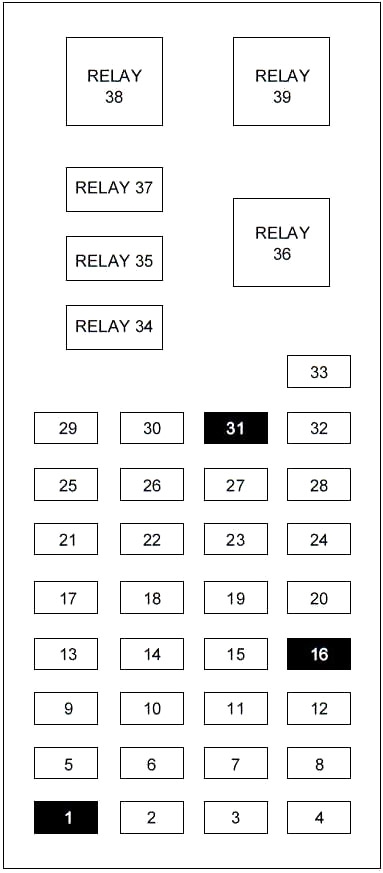
Fuses are the simplest and most widely used protection elements. They contain a thin metal filament that burns open when current exceeds a predetermined value. Once blown, the fuse must be replaced, which provides a clear visual indication that a fault has occurred. The beauty of fuses lies in their simplicity and fast reactionthey react almost instantly to overcurrent conditions. However, their one-time operation makes them more suitable for applications where faults are rare, such as consumer electronics or household devices.
In contrast, circuit breakers perform the same protective function but can be re-engaged after tripping. Inside a breaker, a thermal mechanism or solenoid trigger responds to excess current, triggering a mechanical latch that disconnects the circuit. Once the fault is cleared, the breaker can be manually switched back or automatically depending on design. This makes breakers ideal for industrial systems where downtime must be minimized. Breakers also come in various typesthermal, magnetic, and hybrideach tuned for specific current-time curves.
Another critical device in modern systems is the ground fault circuit interrupter (GFCI). These units detect the balance between current flowing in the live and neutral conductors. If even a small difference is detected, indicating current leakage to ground, the device trips instantlyoften in millisecondsto stop electrocution hazards. This life-saving technology is essential in moist environments such as laundry areas and industrial wash areas.
SPD devices defend circuits from transient voltage spikes caused by power grid surges. They work by absorbing spikes and diverting it safely to ground before it reaches sensitive equipment. Surge protective devices (SPDs) are graded by discharge capability and response time. When properly installed, they act as the primary barrier for electronic systems, particularly in automation panels and industrial control systems.
While each device serves a specific role, true protection comes from layering them effectively. For instance, a power distribution panel might use fuses for branch circuits and lightning arrestors for transient control. This layered defense ensures that no single fault can escalate into a system-wide failure. Engineers refer to this as discrimination, where each device trips in a controlled order, isolating only the affected part of the circuit.
Routine testing and servicing play equally vital roles. Over time, protective devices can wear outcontacts oxidize, coils weaken, and SPDs lose capacity after repeated surges. Regular testing with insulation resistance meters and infrared scanners helps detect weak points before they cause downtime. Professionals also document event logs, as repeated faults often indicate systemic wiring problems rather than random failures.
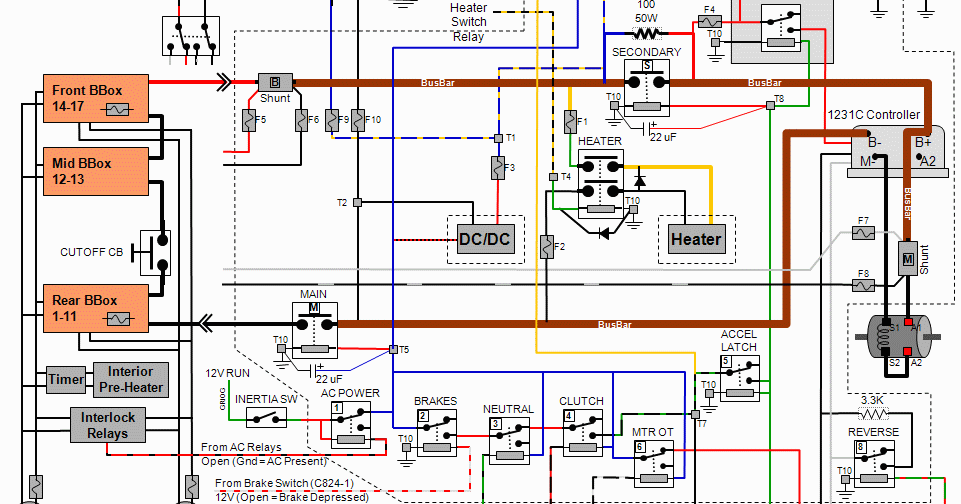
In advanced installations, protection is no longer purely mechanical. Solid-state protection systems uses semiconductor-based switches to monitor and limit current dynamically. These smart fuses can respond within microseconds and provide real-time feedback through communication buses, allowing remote monitoring and early failure detection. They are increasingly used in electric vehicles, where precision and uptime are critical.
Ultimately, mastering protective design means understanding responsibility. Every protective component is a safeguard for machinery and human life. When selected, installed, and maintained properly, they embody the principle that safety defines good design, not convenience.