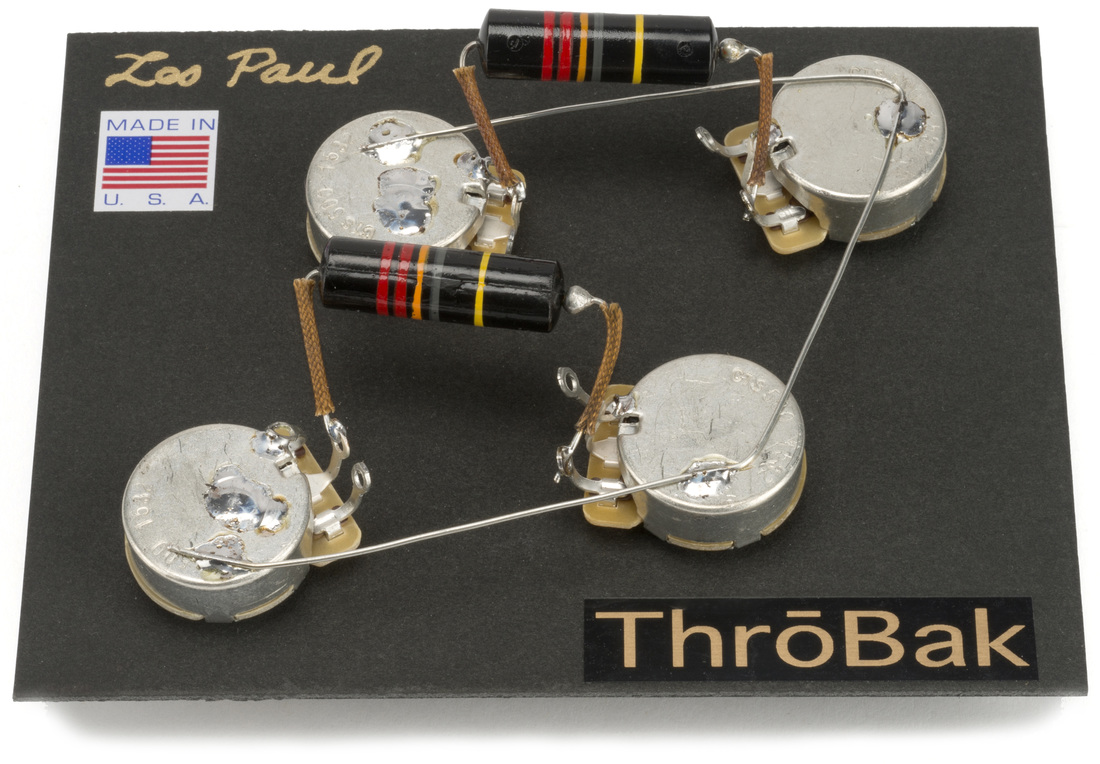
Across modern electrical installations, the way cables are arranged and routed determine more than just aestheticsthey directly affect performance, reliability, and safety. A well-designed cable harness is the central nervous system of a circuit, uniting dozens or thousands of conductors into a single organized network that carries signals and energy cleanly. Proper cable management ensures that the intended circuit layout functions as designed under vibration, heat, or stress.
A cable loom is an assembly of wires, connectors, and protective components that groups multiple circuits into a single controlled path. Its goal is to organize and protect conductors while minimizing space usage and time. Instead of routing loose wires separately, technicians bundle circuits together, simplifying production, maintenance, and troubleshooting. In vehicles, aircraft, and industrial machines, harnesses mean the difference between a safe, efficient system and a tangled network of potential errors.
Designing a harness begins with a logical layout plan. Engineers study the electrical schematic to determine which components connect and how far apart they are. Each wire must follow the most logical and shortest route while avoiding hazard zones or mechanical stress. Modern CAD-based systems now convert 2D schematics into 3D harness models that fit perfectly into a chassis or enclosure. These models ensure easy assembly and maintenance.
The choice of wire gauge and insulation type depends on current, voltage, and environment. In automotive and aerospace systems, lightweight, heat-resistant materials are preferred. For robotic or moving applications, multi-strand conductors with flexible silicone jackets withstand repeated motion. When cables are grouped closely, derating factors must be applied to prevent overheating.
Protection and organization come from sleeving, conduit, and lacing. Braided sleeving provide flexibility and abrasion resistance, while corrugated conduit adds rigidity and shielding. Lacing cords or cable ties keep bundles compact. Heat-shrink tubing seals joints and repels moisture. In environments with high EMI, braided shields or foil wraps block unwanted noise. Every technique must balance weight, cost, and durability.
Connectors and terminals form the bridge between the wiring and equipment. Their quality and precision determines system stability and uptime. Gold-plated pins extend life, while sealing rings prevent dust and humidity ingress. Proper crimping is critical: a loose crimp causes heat and voltage drop, while an over-crimp damages strands. Professionals perform mechanical and electrical verification before final installation.
Cable routing must consider mechanical stress and vibration. Cables should follow smooth, gradual curves rather than sharp corners, leaving room for vibration and temperature shifts. Clamps and grommets prevent chafing at panel or frame edges. In dynamic applications such as robot arms and mobile assemblies, harnesses are engineered for controlled flexing to prevent fatigue.
Wire marking and numbering are essential for service and traceability. Every wire or connector must have a distinct marking system matching the technical documentation. This allows technicians to diagnose problems accurately, even in large assemblies. durable printed markers ensure long-term readability.
Cable management doesnt end after installation. During commissioning and service, technicians must verify that cables are still secured and free from wear or corrosion. Over time, environmental exposure degrade insulation. Regular inspection detects early warning signs of failure, ensuring continued safety.
In complex systems such as data centers, aircraft, and industrial plants, modular harness design is now preferred. Instead of one continuous harness, modular segments connect through standardized plugs. This approach simplifies installation, maintenance, and scaling, allowing damaged sections to be swapped without rewiring.
Proper cable management reflects engineering quality and craftsmanship. A clean, organized harness improves heat dissipation, reduces mechanical stress, and enhances safety. It also symbolizes technical pride: understanding that reliability comes not only from electrical theory but also from practical execution.
In conclusion, a wiring harness is beyond a simple connectionits a designed system. It translates schematic intent into real operation. Good harness design and cable management ensure that energy and data reach their destinations safely and efficiently. Its both an exact craft and creative discipline, where organization and precision transform chaos into performance.